September 15, 2026
A kitchen renovation involves many decisions, but choosing the right countertop color can have a major effect on the finished space. Countertops and cabinets occupy a large portion of the kitchen, so their colors need to work together to create a cohesive appearance. The right combination can make a kitchen feel brighter, larger, warmer, or more modern, while a poor combination may cause the room to feel disconnected.
Homeowners have more options than ever when selecting countertops. Natural stone, engineered materials, laminate, wood, and other surfaces are available in a wide range of colors and patterns. According to Grand View Research, the kitchen cabinetry market is projected to grow from $167.9 billion in 2026 to $267.4 billion by 2033, reflecting continued interest in kitchen improvements and design choices.
When selecting a countertop, it is helpful to consider the existing or planned cabinets, along with lighting, flooring, backsplashes, and the overall style of the home. By looking at the kitchen as a complete space rather than focusing on one surface at a time, homeowners can make color choices that remain appealing for years.
Understand the Importance of Coordinating Colors
Matching countertop colors with cabinets does not necessarily mean choosing identical colors. In most kitchens, contrast and coordination are more important than an exact match. A countertop should complement the surrounding cabinetry while providing enough variation to create visual interest.
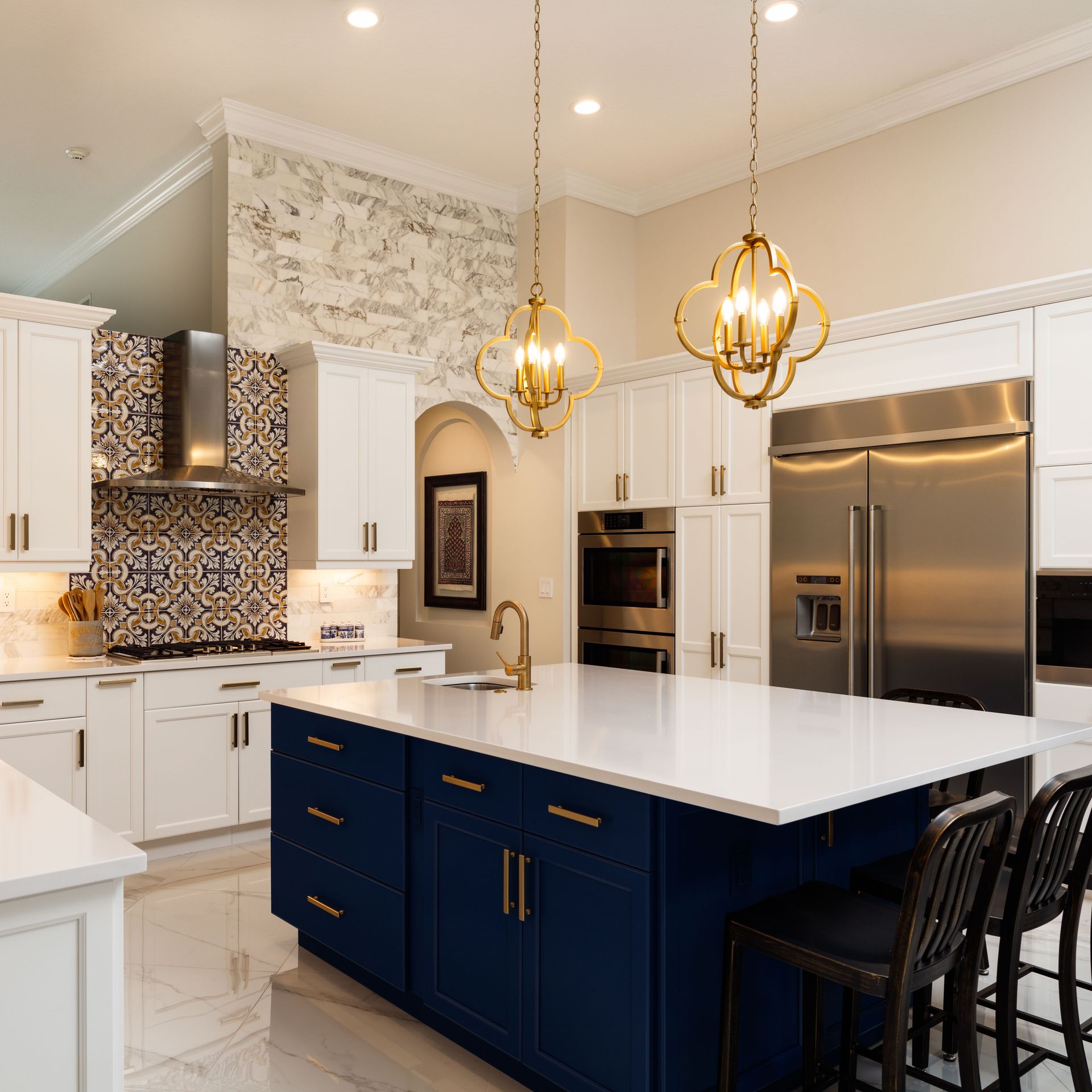
For example, dark cabinets can pair well with lighter countertops to create contrast and prevent the room from feeling overly dark. White or light-colored cabinets may work with darker surfaces, providing definition and helping create a more dramatic appearance. Alternatively, homeowners may choose similar tones for a softer and more uniform design.
The amount of contrast should reflect the desired style. A high-contrast kitchen can feel bold and contemporary, while similar colors can create a calm and understated atmosphere. Considering the undertones of cabinets is particularly important. White may contain warm, cool, gray, cream, or beige undertones, while wood finishes may include red, yellow, orange, or brown tones.
Ignoring undertones can lead to combinations that appear slightly off even when the individual colors look attractive. Viewing samples together under the kitchen's lighting can make these differences easier to identify.
Determine Your Kitchen's Overall Color Scheme
Before selecting a countertop color, take a step back and evaluate the kitchen's complete color scheme. Cabinets may be the largest visual element, but they are only one part of the room. Flooring, walls, appliances, backsplashes, fixtures, and decorative elements can all influence the final appearance.
Start by identifying the dominant colors already present. A kitchen with warm wood cabinets and beige flooring may benefit from warm-toned countertops. A kitchen featuring gray cabinetry, stainless steel appliances, and cool-colored walls may look better with a countertop containing gray, white, blue, or other cool undertones.
It can also be helpful to decide whether the kitchen should follow a warm, cool, or neutral palette. Warm colors often create a welcoming atmosphere, while cool colors can feel crisp and contemporary. Neutral palettes provide flexibility and can work with many different decorating styles.
Bring samples together whenever possible. Cabinet doors, countertop samples, flooring pieces, and backsplash materials should be viewed side by side. Colors can appear significantly different when placed next to other surfaces.
Lighting should also be considered. Natural sunlight, recessed lighting, pendant lights, and under-cabinet fixtures can all change the way colors appear. A sample that looks perfect in a showroom may appear darker or warmer inside the home.
Explore Countertop Colors for Neutral Cabinets
Neutral cabinets provide homeowners with considerable flexibility because they can work with many countertop colors. White, gray, beige, cream, and natural wood finishes can serve as a foundation for subtle or dramatic combinations.
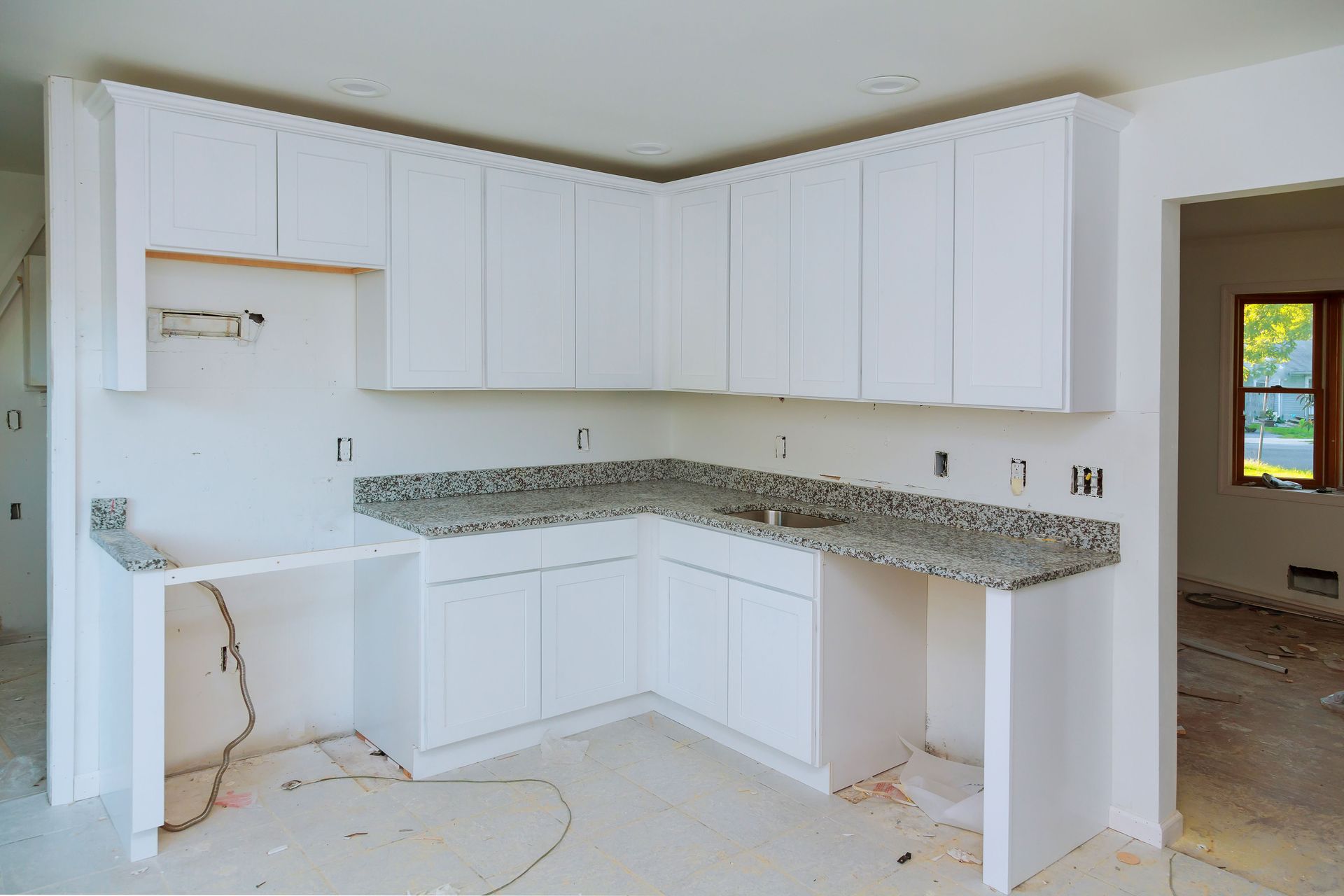
White cabinets remain a versatile option for countertop selection. Dark gray, black, charcoal, and deep brown surfaces can provide striking contrast. White countertops can also work well, especially when they contain veining or subtle patterns that add dimension.
Gray cabinets can pair with several colors depending on their undertones. Cool gray cabinetry may work well with white or light gray countertops featuring blue or charcoal accents. Warmer gray cabinets can complement beige, cream, taupe, or brown surfaces.
Beige and cream cabinetry often pairs naturally with warmer countertop colors. Brown, tan, gold, and soft gray tones can create a balanced appearance. Natural stone patterns that contain several coordinating colors may also help connect different elements throughout the room.
Balance Bold and Subtle Color Choices
One of the most important design decisions is determining whether the countertop should stand out or blend into the overall kitchen. Both approaches can work, but the choice should account for the amount of visual activity already present in the space.
A bold countertop can become a focal point. Dramatic veining, dark colors, or distinctive patterns may add personality to a kitchen with simple cabinetry. If the cabinets are plain white or another solid neutral color, a more visually interesting countertop can provide depth without overwhelming the room.
However, bold surfaces should be balanced carefully. If the cabinets already feature a strong color, prominent grain, or detailed design, a heavily patterned countertop may make the kitchen feel busy. In these situations, a simpler surface can provide visual relief.
Subtle countertops are often a practical choice for homeowners seeking a timeless appearance. Soft white, gray, beige, or cream surfaces can complement many cabinet colors and allow other features to receive attention.
Consider How Materials Influence Color Choices
Countertop material can influence color selection because every material has different patterns, textures, and visual characteristics. Choosing a color is not simply a matter of selecting a shade. The material itself may affect how that color appears alongside the cabinets.
Natural stone often includes variations in color and pattern. Granite, for example, may contain multiple shades that can help connect cabinets, flooring, and other elements. Marble typically features distinctive veining that can create an elegant contrast against simple cabinetry.
Engineered surfaces can provide a more consistent appearance while still offering a wide range of colors and patterns. These materials may be useful for homeowners who want a specific look with greater predictability.
Wood countertops introduce warmth and texture. They can contrast beautifully with painted cabinets or complement natural wood finishes. However, the wood species and stain color should be considered carefully to prevent the room from becoming dominated by similar brown tones.
Laminate and other manufactured materials provide numerous design possibilities, including options that imitate natural stone or wood. These surfaces can make it easier to achieve a particular color scheme while accommodating different budgets.
Create a Cohesive and Lasting Kitchen Design
Choosing the perfect countertop color requires balancing personal preferences with the existing features of the kitchen. The best choice is one that complements the cabinets while supporting the overall color scheme and desired atmosphere.
Start by examining cabinet colors and undertones, then consider the flooring, backsplash, walls, and lighting. Determine whether the kitchen would benefit from contrast or a more subtle combination. Finally, evaluate how the countertop material, pattern, texture, and finish will influence the appearance of the room.
There is no single countertop color that works for every kitchen. A dramatic dark surface may be ideal for one space, while a light neutral material may better suit another. The goal is to create a combination that feels intentional and balanced.
By viewing samples together and considering the kitchen as a complete design, homeowners can make more confident decisions. Thoughtful coordination between countertops and
cabinets can create a welcoming, attractive space that reflects personal style while maintaining a cohesive appearance for years to come. If you're looking for new counters, reach out to the team at Lehigh Surfaces today!